

- Cassette
- Digital
Various Artists
River of Revenge: Brazilian Country Music 1929-1961, Vol. 2
Death Is Not The End
- Cat No: DEATH066
- Release: 2023-02-03
- updated:
アメリカのカントリー&ウエスタンに相当する「ムシカ・セルタネジャ」の前身でもある南米ブラジルのカントリー・ミュージック「ムシカ・カイピラ」(「ヒルビリー・ミュージック」)の初期1920年代末から、30年代、40年代、50年代、60年代初頭までの貴重な録音をまとめたシリーズ「River of Revenge: Brazilian Country Music」のVol.2、from Death Is Not The End!!
Track List
-
1. Tião Carreiro & Pardinho - Bully
02:41 -
2. Lambarí & Laranjinha - I Was Called to a Party
02:47 -
3. Nhô Pires & Pirangueiro - Product of the Cane
02:53 -
4. Xerém & Bentinho - Little White Hawk
02:32 -
5. Flauzino & Florêncio - Orange Fashion
02:58 -
6. Mandi & Sorocabinha - What a Beautiful Girl
02:56 -
7. Raul Torres & João Pacífico - Festival of Bugs
02:41 -
8. Irmãos Kurimori - Burned Horse
02:58 -
9. Retrato & Retrói - New Love
03:13 -
10. Irmãos Falsetti - Disappointment
01:57 -
11. João Goiano & Goiazinho - Heartless Son
02:48 -
12. Riachão & Riachinho - The Life of Aleijadinho
03:15 -
13. Nizio & Nézio - Lady of Aparecida
02:35 -
14. Zé Carreiro & Carreirinho - Canoeist
02:50 -
15. Laranjinha & Zequinha - Ugly Boy
03:01 -
16. Leôncio & Leonel - Saying Goodbye
02:42
16bit/48khz [wav/flac/aiff/alac/mp3]
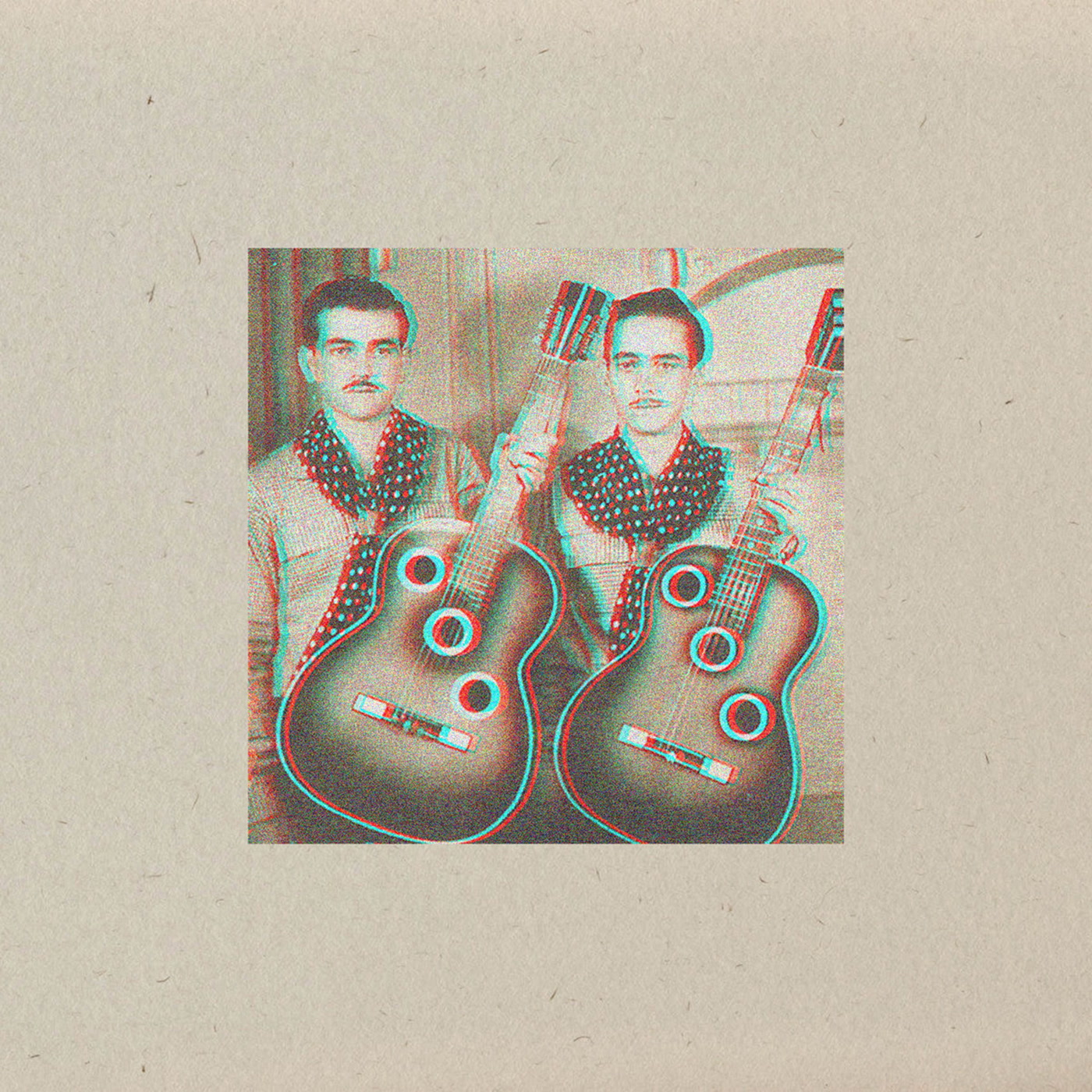
The second volume in Death Is Not The End's survey of a form of Brazilian country music known as música caipira ("hillbilly music") - a stripped-back forerunner to música sertaneja, the Brazilian equivalent to US country & western which in it's contemporary form has come to dominate the domestic music industry in recent decades. This collection covers some of the earliest recordings made by the pioneering folklorist Cornélio Pires at the end of the 1920s, through to records from the 30s, 40s & 50s and the beginning of the 60s.
Somewhat rooted in Portuguese troubadour folk traditions, música caipira is typically performed by a duo singing in parallel thirds and sixths, drawing upon a Portuguese-Brazilian style known as moda de viola - with the viola being the viola caipira, a Brazilian-style ten-string guitar that is the core instrument of the music. Born out of the "outback"-style region in north-eastern Brazil, these songs tell stories of pain, love, loss & betrayal - often backed by homemade guitars using invented tunings. Away from the polished pop country & western-stylings of the sertaneja, these recordings could be viewed as the Brazilian equivalent to the roots music of the American dustbowl or Appalachia.
Somewhat rooted in Portuguese troubadour folk traditions, música caipira is typically performed by a duo singing in parallel thirds and sixths, drawing upon a Portuguese-Brazilian style known as moda de viola - with the viola being the viola caipira, a Brazilian-style ten-string guitar that is the core instrument of the music. Born out of the "outback"-style region in north-eastern Brazil, these songs tell stories of pain, love, loss & betrayal - often backed by homemade guitars using invented tunings. Away from the polished pop country & western-stylings of the sertaneja, these recordings could be viewed as the Brazilian equivalent to the roots music of the American dustbowl or Appalachia.

ブラジル北東部の奥地から誕生したもので、ブラジルのカントリー・ミュージック「ムシカ・カイピラ」「ヒルビリー・ミュージック」にあたるもので(アメリカのダストボウルやアパラチアのルーツミュージックにも相当する音楽でもある。)ポルトガルのトルバドール(民謡)の伝統にやや根ざしたもので、ブラジル式10弦ギターの独創的チューニングで奏でられ歌われ、USのカントリーミュージックとはまた違う魅力に満ちた、朴訥ながら人生の悲哀にも満ちたサウダージな哀愁が味わい深く沁み入る。これら「ムシカ・カイピラ」の民俗学者コルネリオ・ピレスによって録音された初期1920年代末から、30年代、40年代、50年代、60年代初頭までの貴重な録音をまとめたもの。Vol.2も16曲を選曲収録。 (コンピューマ) (Cassetteのコメントから参照)